
The Nephilim: A Deeper Exploration of Genesis 6 and the Sons of Elohim
Greg Witter | Ephraim’s Cry
Hebraic Mindset Study Series
Study • Learn • Apply • Grow • Share • Repeat
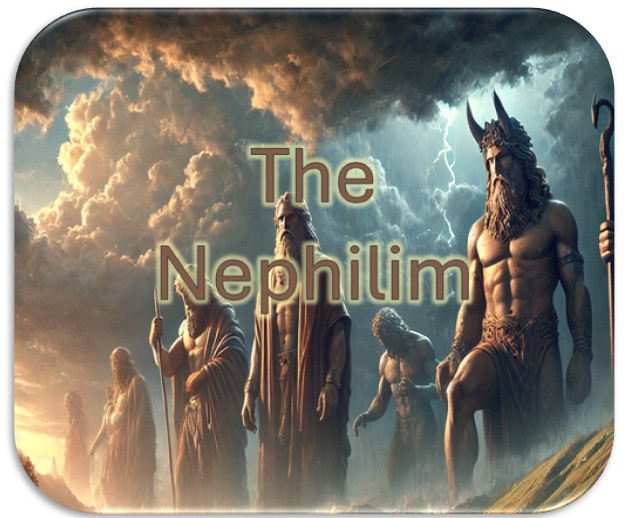
The Nephilim are a subject of intense fascination and debate within the study of biblical texts, particularly in Genesis 6:1-4. Described as the offspring of the “sons of Elohim/God” and the “daughters of men,” the Nephilim are depicted as mighty men of renown, whose existence adds a profound layer of complexity to the narrative.
Their presence raises significant theological questions about the interaction between the divine and human realms, the nature of creation, and the boundaries set by Elohim/God. This narrative is intricately tied to the themes of divine judgment, human corruption, and the preservation of righteousness, as embodied by the figure of Noah.
Easy-to-Read Rephrased Version
As humanity grew in number on the earth, the “sons of Elohim/God” noticed the beauty of the daughters of men and took them as wives. From these unions, the Nephilim were born—mighty men of renown. However, as Elohim/God observed the increasing wickedness of humanity, He regretted creating them and decided to wipe out all living beings. Yet, Noah found favor in Elohim/God’s eyes. Noah, a righteous and blameless man, walked faithfully with Elohim/God. Instructed by Elohim/God, Noah built an ark to save his family and pairs of all living creatures from the impending flood.
Detailed Analysis
1. The Nephilim:
o The term “Nephilim” derives from the Hebrew root נָפַל (naphal), meaning “to fall.” Thus, the name is often translated as “fallen ones.” The Nephilim are described as giants or mighty warriors, which contributes to their portrayal as beings of significant power and renown. Their origins as the offspring of the “sons of Elohim/God” and the “daughters of men” have led to various interpretations, ranging from viewing them as literal giants to considering them symbols of spiritual or moral corruption. Their existence challenges the conventional understanding of the boundaries between the divine and human realms.
2. Divine Regret and Judgment:
o The narrative takes a somber turn as Elohim/God expresses regret for creating humanity due to their pervasive wickedness. This regret is significant as it marks one of the few instances in Scripture where Elohim/God expresses sorrow over His creation. His decision to limit human lifespan to 120 years is an act of divine judgment, reflecting His dissatisfaction with the state of humanity. This sets the stage for the flood, a divine intervention aimed at cleansing the earth of its corruption.
3. Noah’s Righteousness:
o Amidst the prevailing corruption, Noah is introduced as a figure of righteousness and faithfulness. The text emphasizes that Noah was “blameless among his generation” and “walked faithfully with Elohim/God.” This description highlights the possibility of maintaining righteousness even in a world dominated by sin. Noah’s obedience to Elohim/God’s instructions to build the ark underscores his role as a central figure in the narrative of salvation.
4. The Ark:
o The ark is more than just a vessel for survival; it is a symbol of Elohim/God’s provision and grace. The detailed instructions provided to Noah for its construction signify the seriousness of the impending judgment and the care with which Elohim/God ensures the preservation of life. The ark represents a covenant between Elohim/God and humanity, a promise of survival for the righteous amidst the destruction brought upon by human wickedness.
Biblical References and Deeper Concepts
Yahûsha (יהושׁוּע) and the Apostles:
• Yahûsha refers to the days of Noah in Matthew 24:37-39, where He draws a parallel between the suddenness of the flood and the unexpected coming of the Son of Man. This comparison serves as a warning for vigilance and preparedness for divine judgment, indicating that just as the flood came without warning, so too will the final judgment.
• Paul uses the story of the flood as a typological reference in 1 Corinthians 10:1-4, where he compares the crossing of the Red Sea to baptism, symbolizing salvation through water. This reference highlights the recurring theme of water as both a means of judgment and purification.
• Peter draws upon the narrative of Noah and the flood in 1 Peter 3:20 and 2 Peter 2:5, where he emphasizes the importance of righteousness and the inevitability of divine judgment. Peter likens the salvation of Noah’s family through water to the salvation offered through baptism, reinforcing the idea of divine deliverance for the faithful.
Theological Concepts
The narrative of Genesis 6, particularly the account of the Nephilim and the “sons of Elohim/God,” introduces several complex theological themes:
1. Divine Judgment:
o The intermarriage between the “sons of Elohim/God” and the “daughters of men” is often seen as a transgression of divine boundaries. This act, which leads to the birth of the Nephilim, symbolizes the mixing of the divine and human realms in a way that disrupts the intended order of creation. Elohim/God’s response—limiting human lifespan and ultimately deciding to send the flood—reflects His desire to restore order and righteousness.
2. Human Sinfulness:
o The narrative emphasizes the depth of human sinfulness, which had reached such a level that it prompted Elohim/God to consider destroying all life. This theme of pervasive corruption underscores the seriousness of sin and its consequences, not just for individuals but for all of creation.
3. Salvation and Grace:
o Despite the widespread corruption, the narrative also highlights Elohim/God’s grace in the form of Noah’s salvation. Noah’s righteousness and the construction of the ark symbolize Elohim/God’s willingness to preserve life and provide a means of escape from judgment. This theme of divine grace and salvation is a precursor to later biblical narratives, where Elohim/God repeatedly offers redemption to those who remain faithful.
Angelic Perspective on the Intermarriage
The intermarriage between the “sons of Elohim/God” and the “daughters of men” has been the subject of much debate and interpretation throughout history. Various ancient texts offer insights into this union:
1. Book of Enoch:
o The Book of Enoch, an ancient Jewish text, offers an elaborate account of the “sons of Elohim/God” as fallen angels, known as the Watchers, who descended to earth and took human wives. These angels are depicted as teaching humanity forbidden knowledge, leading to widespread corruption. The Nephilim, their offspring, are described as giants who cause great violence and disorder on the earth. This text provides a more detailed and dramatic portrayal of the events briefly mentioned in Genesis.
2. Book of Jubilees:
o The Book of Jubilees, another ancient Jewish text, also addresses the intermarriage between the “sons of Elohim/God” and the “daughters of men.” It describes the Nephilim as giants who brought significant destruction and wickedness to the world, echoing the themes of corruption and divine judgment found in the Book of Enoch.
3. Other Ancient Texts:
o Various other ancient texts and traditions speak of divine beings intermingling with humans, resulting in the birth of beings who disrupt the natural order. These texts often describe the offspring of these unions as giants or mighty warriors who introduce chaos and destruction to the world, reflecting the themes found in Genesis and the extra-biblical writings.
References to “The Sons of Elohim/God” in the Bible
The phrase “sons of Elohim/God” appears in several places throughout the Bible, with varying interpretations depending on the context:
1. Genesis 6:2, 4: The “sons of Elohim/God” took wives from the “daughters of men,” resulting in the birth of the Nephilim. This phrase is often interpreted as referring to either fallen angels or the godly descendants of Seth.
2. Job 1:6; 2:1; 38:7: In these verses, the “sons of Elohim/God” refer to angelic beings presenting themselves before Elohim/God.
3. Psalm 29:1; 89:6: The term is used to refer to angelic beings, often described as the “mighty ones” or “heavenly beings.”
4. Matthew 5:9: Yahûsha uses the term “sons of Elohim/God” to refer to peacemakers, indicating a broader application of the term to those who embody godly characteristics.
5. Luke 20:36: In this verse, the term refers to humans who, in the resurrection, are likened to angels and are called sons of Elohim/God.
6. Romans 8:14, 19: Here, “sons of Elohim/God” refers to believers who are led by the Spirit, with an emphasis on the future revelation of believers as children of Elohim/God.
7. Galatians 3:26; 4:6: Paul emphasizes that believers are “sons of Elohim/God” through faith in Yahûsha HaMashiach, underscoring the relationship between believers and Elohim/God.
8. Philippians 2:15: Believers are called to be “children of Elohim/God” who live blameless lives, reflecting the purity and holiness associated with being Elohim/God’s offspring.
9. 1 John 3:1-2: These verses describe believers as children of Elohim/God, loved by Him, with the promise of becoming like Him when He appears.
Interpretation of “Sons of Elohim/God”
Old Testament:
• In the Old Testament, the term “sons of Elohim/God” generally refers to angelic beings, as seen in the book of Job and Psalms. In Genesis 6, it is debated whether this term refers to fallen angels or the godly descendants of Seth.
New Testament:
• In the New Testament, “sons of Elohim/God” typically refers to believers who have faith in Yahûsha HaMashiach and are led by the Spirit of Elohim/God. This usage emphasizes the relationship between believers and Elohim/God as His children, inheriting the promises and responsibilities of this divine relationship.
Godly Descendants of Seth
The interpretation of the “sons of Elohim/God” as the godly descendants of Seth is supported by several key references:
1. Genesis 4:25-26: This passage highlights the beginning of a godly lineage through Seth, contrasting with the ungodly line of Cain. The descendants of Seth are portrayed as those who call upon the name of Elohim/God, marking them as the faithful remnant.
2. Genesis 5:3-32: This genealogy traces the lineage of Seth, emphasizing the godly line that contrasts with the ungodly line of Cain. The repetition of the phrase “and he died” throughout the genealogy serves as a reminder of the consequences of sin, while also highlighting the continuation of the faithful line through Seth.
3. Genesis 6:1-2: The “sons of Elohim/God” are interpreted by some as the descendants of Seth who intermarried with the “daughters of men,” often understood as the descendants of Cain.
This union is seen as a corruption of the godly line, leading to increased wickedness on the earth.
Analysis of “Sons of Elohim/God” and “Daughters of Men”
The phrase “sons of Elohim/God” and “daughters of men” in Genesis 6 has been interpreted in two primary ways: as referring to angelic beings and as referring to the godly descendants of Seth. Both interpretations have significant theological implications.
Angelic Interpretation:
1. Biblical References:
o Genesis 6:2, 4: The “sons of Elohim/God” took wives from the “daughters of men,” resulting in the birth of the Nephilim. This phrase is often interpreted as referring to fallen angels who crossed the boundaries set by Elohim/God.
o Job 1:6; 2:1; 38:7: In these verses, the term “sons of Elohim/God” refers to angelic beings, adding weight to the interpretation that Genesis 6 refers to a similar group of divine beings.
o Psalm 29:1; 89:6: The term is used to refer to angelic beings, reinforcing the idea that the “sons of Elohim/God” in Genesis could also be angels.
2. Ancient Texts:
o Book of Enoch: Describes the “sons of Elohim/God” as fallen angels who descended to earth, took human wives, and fathered the Nephilim. The detailed narrative in Enoch expands on the brief mention in Genesis, providing context and elaboration on the nature and consequences of this union.
o Book of Jubilees: Also mentions the intermarriage between the “sons of Elohim/God” and the “daughters of men,” describing the Nephilim as giants who brought great destruction to the earth.
3. Support from Early Jewish and Christian Writers:
o Philo, Josephus, and the Dead Sea Scrolls: These sources support the angelic interpretation, indicating that this view was prevalent in ancient Jewish thought.
o New Testament Writers: 2 Peter 2:4 and Jude 1:6-7 refer to angels who sinned, often linked to the Genesis 6 account. These references suggest that the early Ekklesia (Assembly/Congregation) may have held to the angelic interpretation of the Genesis narrative.
Godly Descendants of Seth Interpretation:
1. Biblical References:
o Genesis 4:25-26: Highlights the beginning of a godly lineage through Seth, contrasting with the ungodly line of Cain.
o Genesis 5:3-32: Traces the genealogy of Seth, emphasizing the continuation of the godly line.
o Genesis 6:1-2: The “sons of Elohim/God” are interpreted as the descendants of Seth who intermarried with the “daughters of men,” seen as the descendants of Cain.
2. Support from Jewish Expositors:
o Targums and Jewish Expositors: Many Jewish scholars interpret the “sons of Elohim/God” as the godly descendants of Seth, aligning with the broader biblical theme of preserving the purity of the faithful line.
3. Theological Consistency:
o Intermarriage Theme: The theme of intermarriage between the godly and ungodly lines is consistent with other biblical narratives, such as the warnings against intermarriage with pagan nations. This interpretation emphasizes the importance of maintaining spiritual purity and avoiding the corruption of faith through unions with the ungodly.
Comparative Analysis
Strength of the Angelic Interpretation:
• Consistent Use of the Term: The term “sons of Elohim/God” consistently refers to angelic beings in other parts of the Old Testament, particularly in Job and Psalms. This consistency adds weight to the argument that Genesis 6 also refers to divine beings.
• Ancient Texts and Early Writers: The support from ancient texts like the Book of Enoch and early Jewish and Christian writers provides historical and contextual backing for the angelic interpretation, suggesting that this view was widely accepted in early Jewish and Christian thought.
Strength of the Godly Descendants of Seth Interpretation:
• Theological Consistency: This interpretation aligns with the broader biblical theme of maintaining the purity of the godly line and avoiding intermarriage with the ungodly. It also fits with the narrative structure of Genesis, which often contrasts the faithful and the unfaithful lines (e.g., Seth vs. Cain).
• Support from Jewish Tradition: Many Jewish expositors and traditional interpretations favor this view, emphasizing the moral and spiritual implications of the unions described in Genesis 6.
Conclusion
Both interpretations have strong arguments and supporting evidence. The angelic interpretation is bolstered by the consistent use of the term “sons of Elohim/God” in other parts of the Old Testament and by ancient texts and early writers. The godly descendants of Seth interpretation is supported by theological consistency and the broader biblical theme of preserving spiritual purity. Ultimately, the stronger argument may depend on one’s perspective and the weight given to different types of evidence. The angelic interpretation has broader historical and textual support, while the godly descendants of Seth interpretation aligns closely with the theological themes of the Bible.
It is the difference of the Old Testament, where the term “sons of Elohim/God” generally refers to angelic, and the New Testament, “sons of Elohim/God” typically refers to believers who have faith in Yahûsha HaMashiach and are led by the Spirit of Elohim/God.
Two separate understandings one having to do specifically with “Old Testament” understand and “New Testament” restoration of the Eternal life of the believer.
#Genesis6#Nephilim#SonsOfGod#DaughtersOfMen#Elohim#Yahûsha#BiblicalAnalysis#HebraicBiblical#
#OldTestament#Ephraimscry
